






Millennials have been online longer than any other living generation. They created the highlight reel, cracked the algorithm, built the “personal brand,” and now, they’re fighting the digital “man” by dismantling social norms.
This generation currently holds the lion’s share of purchasing power, they are the majority of today’s managers, and account for $2.5 trillion in annual spending.
Brands are desperately trying to build a connection with the Oregon Trail PC pioneers… “Let’s ensure our campaign has authenticity, relatability, and nostalgia!”…. The problem? Most don’t understand what those ideas mean to the generation that coined them.
Here’s what the trend decks miss.
The Curated Life Didn’t Age Well
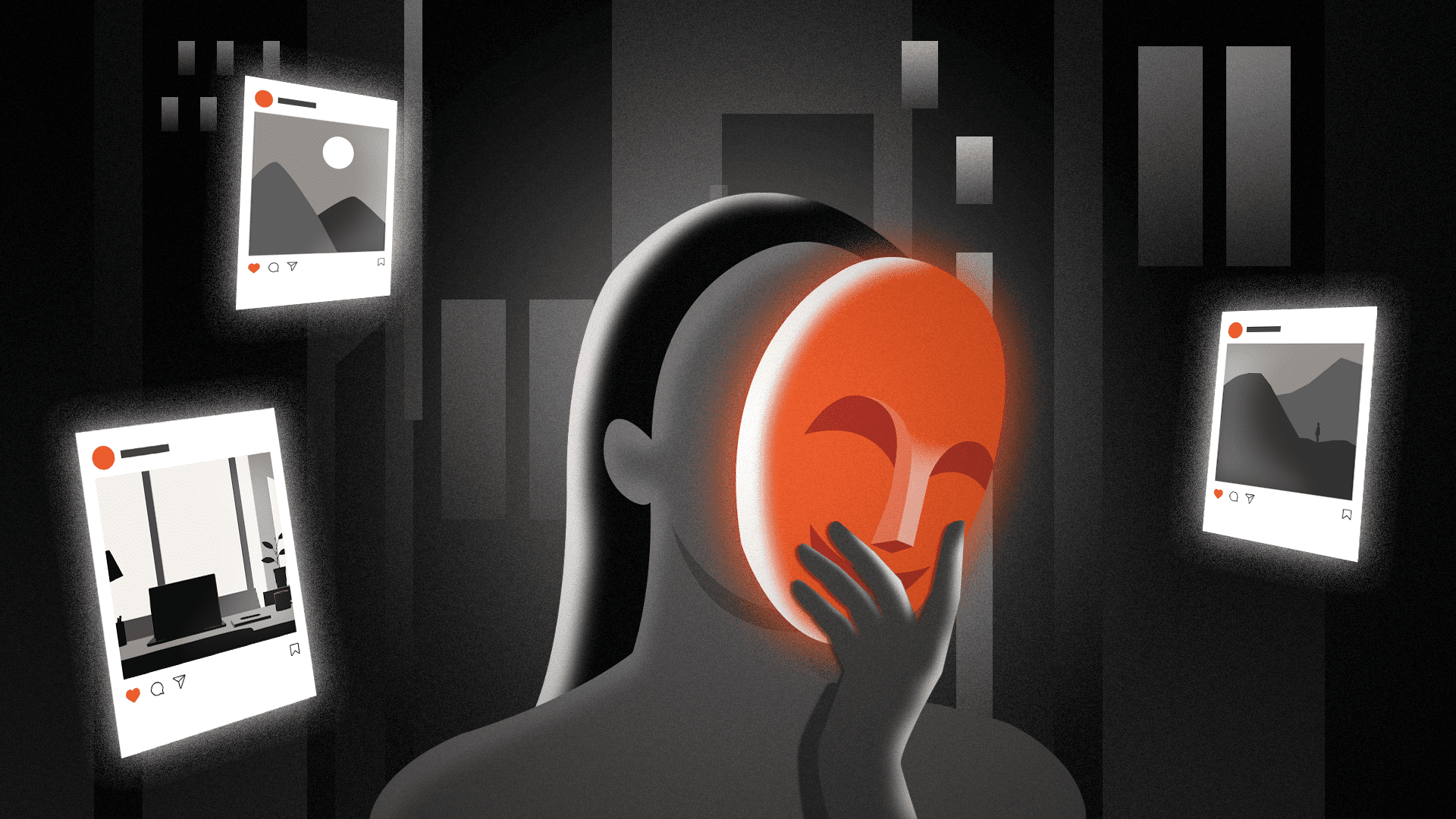
The highlight reel cracked under the weight of real life.
For over a decade, millennials curated their feeds with polish: brunch pics, wedding hashtags, color-coded baby showers, home office glow-ups.
Then life got louder, and so did their content.
As the pressures of adulthood set in—career burnout, rising costs, and delayed milestones—they didn’t log off. They processed it in the one place MySpace trained them to go: social.
Stress. Therapy. Marital frustration. Emotional fatigue. All trending for a generation still growing into its own.
In fact, millennials have the lowest reported workplace mental health scores of any generation.
While it might appear like doomposting, it’s still about fostering connections. Solidarity in the comments. Humor as survival. Identity in shared dysfunction. They’re reconciling the adulthood they were promised with the one that actually showed up.
What this means for marketers
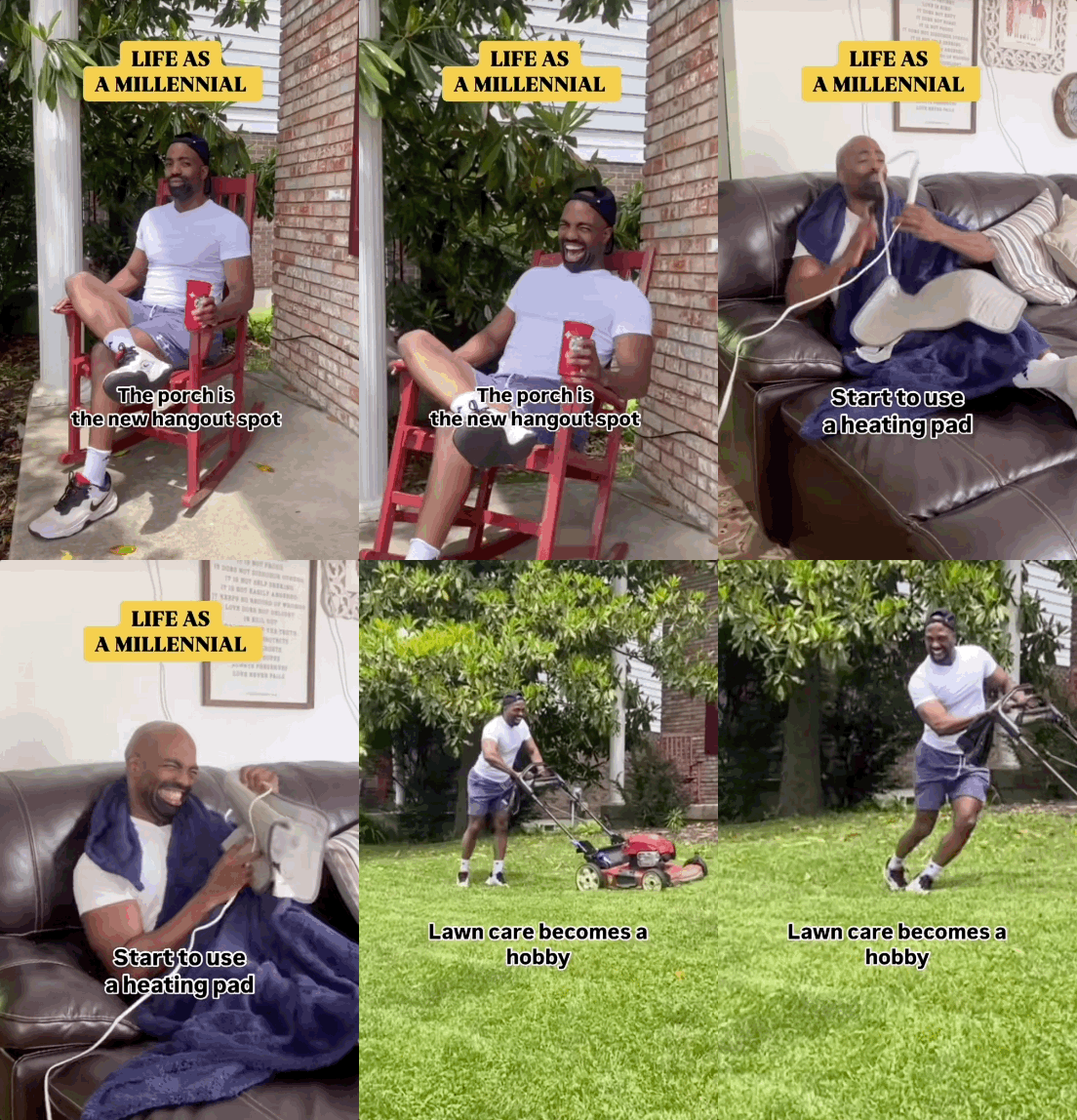
If you have any hope of actually connecting with this generation, you need to validate their feelings. You need to acknowledge the chaos of life and, in turn, your brand. They know that to achieve that euphoric end result, you have had ups, downs, and everything in between. You need to share those WTF moments, admitting what you said was cringe, and talk about your shared journey. Because likely they have been experiencing the same things as you in parallel.
Nostalgia Without Context Is Just Lazy
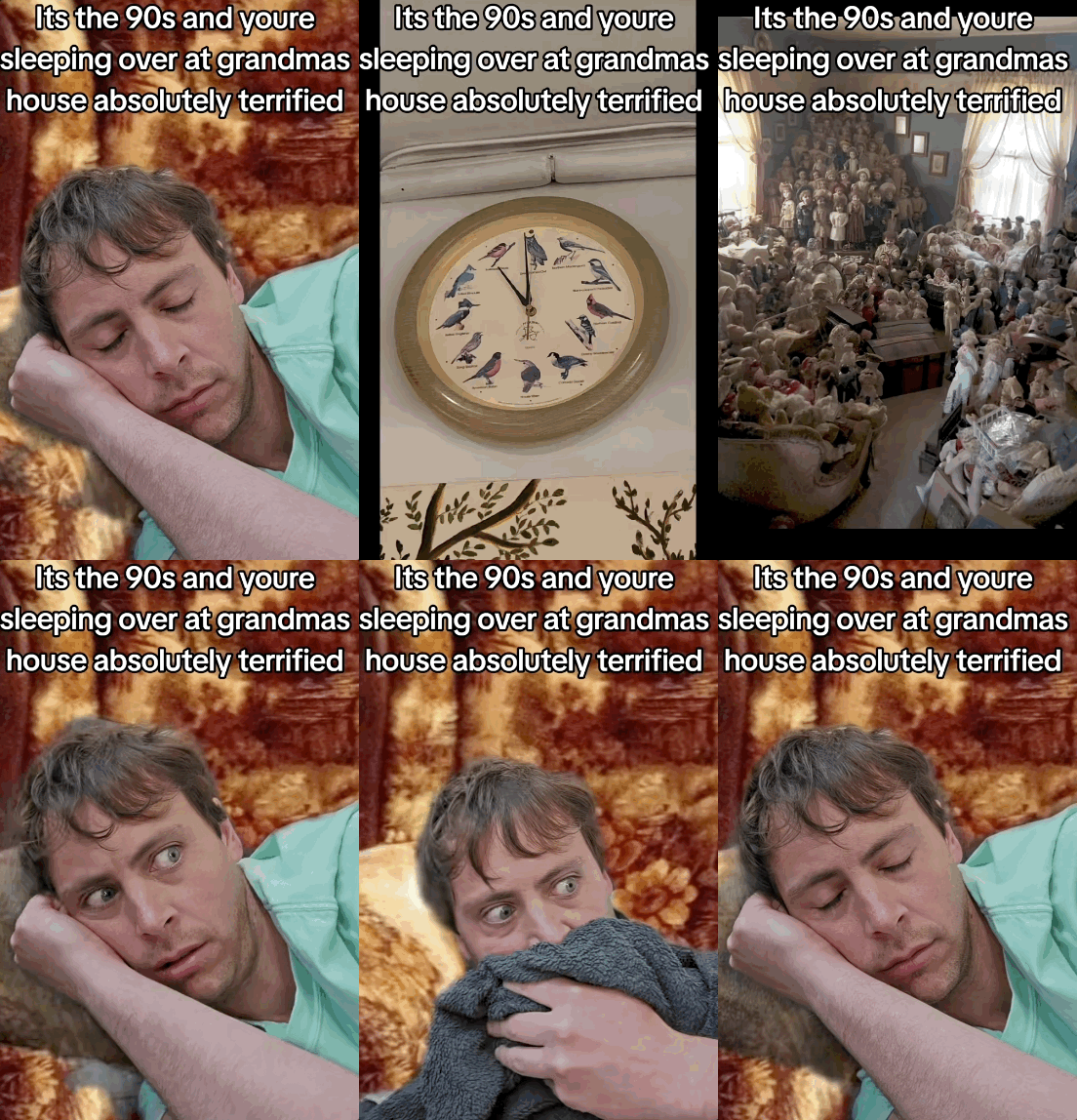
For this generation, nostalgia is therapy. 81% of Millennials say nostalgic content evokes some type of emotion.
As the Facebook first-born continue to process their new adult realities, of course they would look backward for clarity.
And to be fair, ‘90s sitcoms, Disney Channel Original Movies, and only retaining “the mitochondria is the power house of the cell” over tangible life advice can be a bit baffling.
What this means for marketers
Stop treating nostalgic content like an early 2000s “TBT”. While you can tap into older IP and cultural touchstones, your content needs to acknowledge its evolution. We are quickly moving past The Rugrats X KITH collab being effective. Depth, context and validation are key.
Get Comfortable With the Uncomfortable
Private and personal are now means of connection
We have talked a bit about flipping social norms and “real authenticity” but this one will for sure scare a few Boomers.
- Parenting meltdowns
- Therapy breakthroughs
- Financial dread as punchlines
- Personal Relationship Exposes
All PC to talk about in public (and post).
But it’s not all heavy. Millennials are posting the joy, too; finding magic in the mess, celebrating little wins, and turning “I have no idea what I’m doing” into a vibe.
Social isn’t a highlight reel anymore. It’s where life gets processed, raw, weird, and unfiltered.

What this means for marketers
Don’t be a robot. Millennials know that your brand is made of very real people that have real problems. If you only show up for the highs, don’t expect loyalty in the lows. While it’s tricky to get right, putting their problems center stage and showing your seams is how you build real loyalty.”
Self-Awareness will be (and is) the next overused marketing term
84% of millennials say they don’t trust traditional advertising. Many of them are marketers. They know the playbook. They’ve written it.
So what works? Owning your role in the performance.
Yes, Liquid Death gets cited in every trend deck, for good reason. Their whole strategy is built on acknowledging the absurdity of what they are. It’s not irony. It’s accuracy.
Some others:
- Graza: Olive oil sold with memes, shade, and energy
- Jones Road Beauty: Direct, unscripted demos from real people (and Bobbi Brown clapping back in the comments)
- Canopy: Humidifiers, sold with wit and zero fake wellness language
These brands don’t pretend to be anything they’re not. And that’s exactly what makes them feel relevant.
What does this all mean??
Millennials are wrestling with adulthood, impostor syndrome, and their place in the world. Whether the experience has been positive or painful, it’s left them with a newfound respect for self-awareness.
That’s not a problem. That’s your opening.
Stop trying to fit in and play it safe. Say what everyone’s thinking about your category. Say it first.
Be honest, own your journey.
The brands that will win with this generation are the ones that are comfortable saying:
“We see you. We feel you. We’re figuring it out, too.”